
Tag: auto tuning

How AdBlue Systems Affect Engine Performance and Tuning Options

How AdBlue Systems Affect Engine Performance and Tuning Options

Used to meet strict emission standards in modern diesel vehicles, AdBlue (SCR – Selective Catalytic Reduction) systems are known for their environmental benefits. However, the impact of these systems on engine performance, fuel efficiency, and vehicle tuning is a subject frequently debated by performance enthusiasts and fleet operators.

In this article, we will examine how AdBlue systems work, their effects on engine performance, and the tuning solutions available in the industry.

What is an AdBlue System and How Does It Work?
AdBlue is a liquid composed of 32.5% urea and 67.5% demineralized water. It is injected into the exhaust system to convert harmful nitrogen oxides (NOx) into harmless nitrogen and water vapor. The system primarily consists of the following components:

AdBlue Tank & Heater: Stores the fluid and prevents it from freezing in cold conditions. Built-in heaters ensure the system functions optimally in winter climates.

Dosing Module (Pump): Regulates the injection of the fluid into the exhaust stream at the correct pressure and volume.

SCR Catalyst: The catalytic filter where the chemical reaction takes place, converting the toxic gases into harmless emissions.

Sensors: Monitors NOx levels and exhaust temperatures, continuously feeding data back to the vehicle’s control systems.

Effects of AdBlue Systems on Engine Performance
AdBlue systems do not directly control horsepower or torque generation; however, they affect the engine’s operational characteristics indirectly in the following ways:

1. Limp Mode and Power Limitations
When a malfunction occurs (e.g., pump failure, low fluid level, or freezing), the engine control unit (ECU) may limit engine power or prevent the vehicle from starting, severely restricting performance when you need it most.

2. Interaction with DPF and EGR
The AdBlue system works in tandem with the exhaust gas recirculation (EGR) and diesel particulate filter (DPF). Clogging in these related components or prolonged regeneration cycles can cause backpressure, leading to a noticeable drop in power. This is especially true for vehicles used predominantly for short, urban journeys.

3. Weight and Power Consumption
The added weight of the AdBlue tank and the electrical power required to operate the heaters create a minimal but measurable effect on overall efficiency. Additionally, the constant need for fluid refills introduces an ongoing maintenance cost.

North Tuned Solutions: AdBlue Removal and Tuning Options
At North Tuned, we provide professional tuning and optimization solutions for diesel vehicles, including SCR/AdBlue management. The primary methods utilized in the industry include:

ECU Remapping (Software Delete): The most reliable method. The vehicle’s ECU is reprogrammed to disable the AdBlue system, permanently clearing error codes and limp modes.

Hardware Emulators: Devices that send continuous “all-clear” signals to the ECU. However, North Tuned always recommends direct software solutions for long-term reliability and safety.

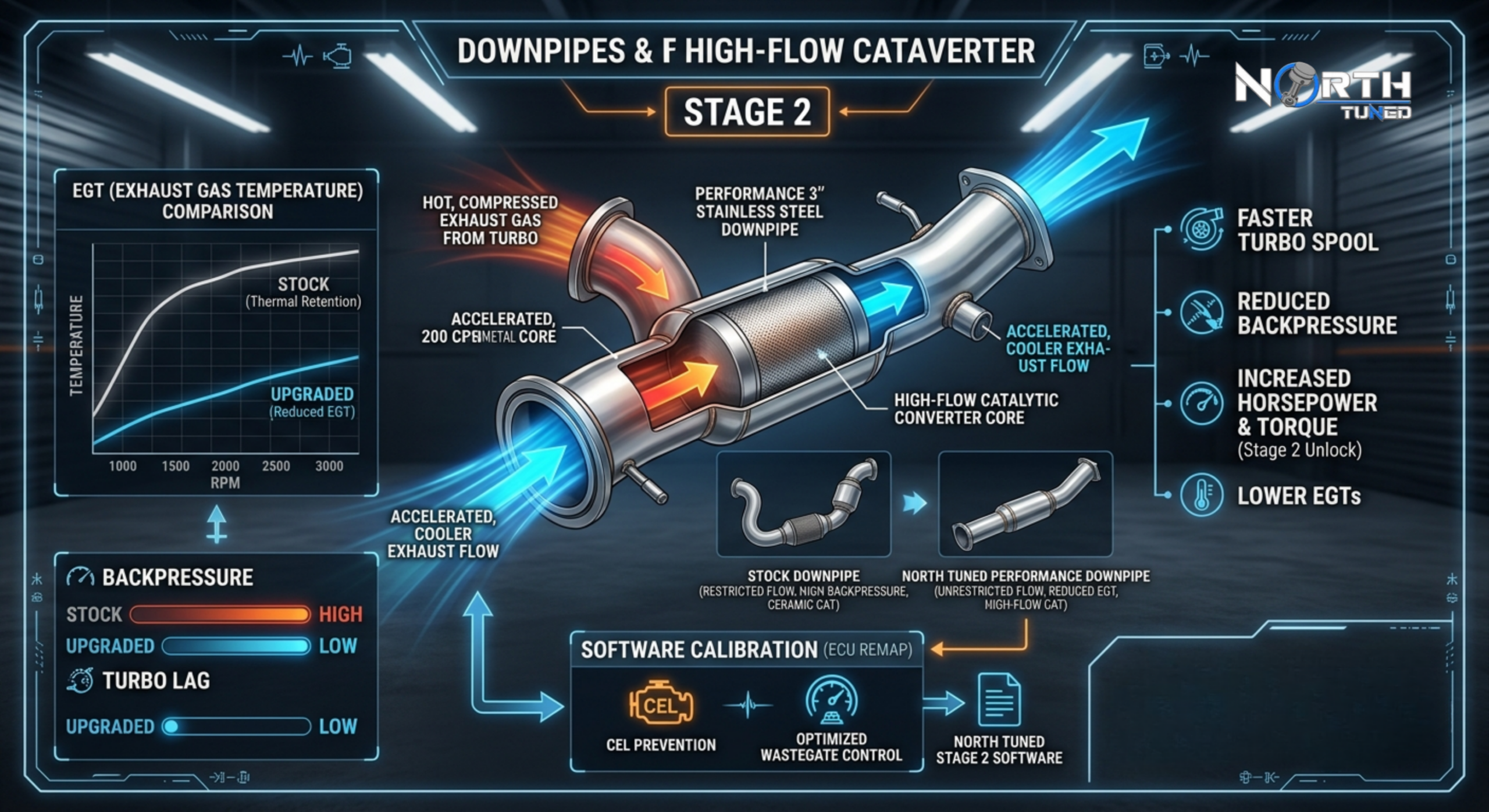
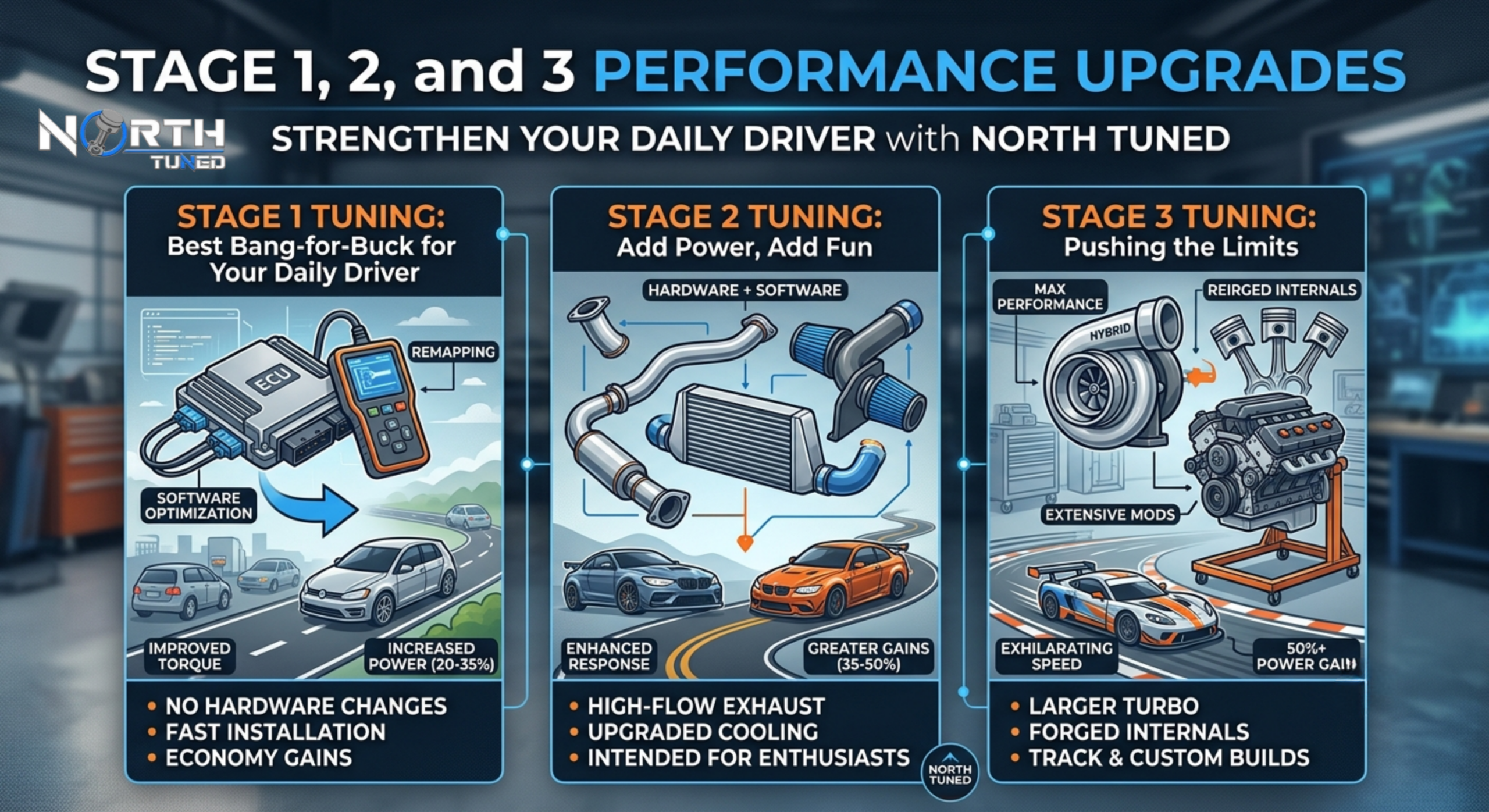
Stage 1 & Stage 2 Remapping: Disabling the restrictive emission components allows the engine to breathe freely, maximizing torque and power output when combined with performance tuning.

Conclusion
While AdBlue systems are vital for emissions compliance, they can lead to high maintenance costs and performance restrictions over time. With North Tuned expertise, removing or optimizing the AdBlue system not only restores your engine’s true potential but also eliminates recurring warning lights and fluid expenses.

read more
What is DPF & DPF Calibration with North Tuned

What is DPF & DPF Calibration with North Tuned

Diesel Particulate Filters (DPF) are designed to capture hazardous exhaust particulates to meet emission standards. However, under standard operating conditions, these filters can become clogged and require professional tuning, calibration, or deletion to ensure optimal engine performance.

How the DPF Works
The DPF works in tandem with the catalytic converter:

Catalytic Converter: Uses chemical reactions to neutralize unburned gases and reduce harmful emissions.

DPF: Traps heavy metals and soot particles that cannot be eliminated by the catalytic converter alone.

When the filter reaches capacity, it cleans itself through either passive or active regeneration, where exhaust temperatures are elevated (up to 600 degrees Celsius) to burn off trapped soot. Over time, these regeneration cycles can fail to clear the blockage completely, requiring DPF calibration and removal to restore engine efficiency.

DPF Calibration and Removal Process
North Tuned ensures that the DPF calibration process is carried out safely and effectively:

Custom ECU Remapping: The engine control unit is accessed via OBD2 or on the bench to read and adjust the original factory software.

Sensor Deactivation: Temperature and pressure sensors are calibrated to bypass DPF monitoring.

Physical Removal: The filter housing is removed, hollowed out, and reinstalled using a specialized exhaust pipe.

Benefits of DPF Calibration
Extended Injector Life: Prevents the wear and tear caused by the high fuel pressures required during regeneration.

Increased Fuel Economy: Stops the vehicle from continuously consuming extra fuel during the regeneration process.

Enhanced Engine Durability: Protects surrounding engine components from exposure to extreme heat.

Prevention of Oil Dilution: Eliminates the risk of unburned diesel fuel leaking into the engine oil pan.

read more
Unlocking Hidden Horsepower and Performance in Your Engine with North Tuned

Unlocking Hidden Horsepower and Performance in Your Engine with North Tuned

Modern automobiles are programmed at the factory to accommodate a massive variety of global conditions, ranging from varying fuel qualities and extreme climates to different emission standards and driver habits. Because of these conservative safety margins, your Engine Control Unit (ECU) operates well below its actual mechanical capabilities. With a professional software tune, you can bypass these factory constraints. At North Tuned, we extract the true potential of your engine while preserving its longevity, reliability, and long-term durability.

How Engine Tuning Works
Vehicles today are essentially driven by advanced computers that monitor and regulate engine functions, including fuel injection, air-to-fuel ratios, turbocharger boost pressure, and ignition timing. North Tuned’s remapping process involves reading your original factory software and precisely adjusting these parameters to maximize efficiency and output.

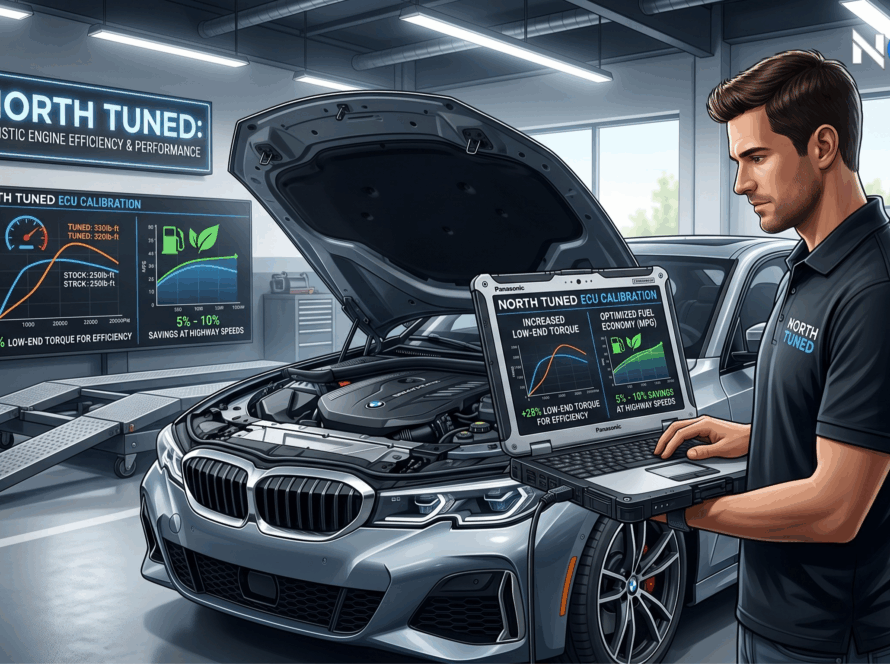
Increased Horsepower and Torque: By optimizing the air-to-fuel mixture and boost levels, we ensure maximum combustion efficiency and output within safe operating tolerances. You will experience a noticeable increase in both peak horsepower and low-end torque.

Improved Throttle Response: Electronic lag is minimized, creating an immediate and responsive connection between your foot and the engine’s power delivery.

Enhanced Driving Dynamics: Overtaking and highway merging become much smoother, providing power exactly when you need it without the need to over-rev or force the engine.

Optimized Efficiency: A properly calibrated software tune reduces the overall workload required to move the vehicle’s weight. Under normal driving conditions and cruising speeds, this can lead to an improvement in fuel economy.

Why Choose North Tuned?
Engine tuning requires advanced precision and automotive engineering expertise. Generic “off-the-shelf” files or improper calibrations can cause severe damage to your engine and transmission. At North Tuned, we prioritize:

Custom Calibration: Every vehicle is analyzed based on its specific hardware, current mileage, and mechanical condition to deliver a bespoke tune.

Strict Safety Margins: We ensure that torque limits and mechanical thresholds are respected, guaranteeing long-term durability and engine health.

Full System Compatibility: Your car’s factory diagnostic and safety systems remain fully operational, ensuring no compromise on vehicle safety or road legality.

read more