
Tag: chip tuning company

How to Choose the Right Performance Tune for Your Vehicle

How to Choose the Right Performance Tune for Your Vehicle

If you want to increase your vehicle’s performance, improve engine response, and make your driving experience more enjoyable, choosing the right performance tune is one of the most critical steps. Options that have gained popularity in recent years, such as North tuned, offer vehicle owners customized and highly reliable solutions that unlock the engine’s potential within safe limits.

So, how do you choose the best tune for your vehicle? Here are all the details you need to know.

1. What is a Performance Tune and Why is it Important?
A performance tune involves reprogramming or optimizing the software in your vehicle’s engine control unit (ECU). This process is highly important for the following reasons:

Power and Torque Increase: It extracts more horsepower and torque from your engine, making acceleration much smoother and more responsive.

Fuel Efficiency: When tuned correctly, it offers an optimized balance in fuel consumption, particularly during cruising.

Throttle Response: It speeds up gear shifts and responses to the accelerator pedal, making the vehicle feel livelier.

Professional approaches like North tuned aim to extract maximum efficiency without exceeding the safety limits set by the manufacturer, ensuring that engine longevity is preserved.

2. What is North Tuned?
North tuned is an approach that aims to provide a reliable standard, particularly in engine optimization and performance software. It is specifically calibrated according to your vehicle’s hardware (air intake, exhaust system, etc.) and fuel quality.

Unlike generic off-the-shelf tunes, this method ensures that the air-fuel ratio, ignition timing, and boost pressure are perfectly harmonized for your specific engine code and driving conditions.

3. Factors to Consider When Choosing the Right Tune
When selecting the perfect performance tune for your car, consider the following criteria:

Purpose of Usage: Do you use your vehicle as a daily driver, or are you preparing it for track days or racing? For daily use, a balanced, fuel-efficiency-oriented tune is recommended.

Existing Modifications: Are there any hardware modifications, such as a downpipe, a larger turbo, or a performance exhaust system? The tune must be fully compatible with these upgrades.

Fuel Quality: The octane rating of the fuel available in your region defines the boundaries of the tuning process. Using higher octane fuel allows for more aggressive timing and greater power gains.

Reliability and Warranty: Ensure that the selected software does not compromise the longevity and health of the engine.

4. The Implementation and Development Process
Once you have chosen the right performance tune, the steps to follow are:

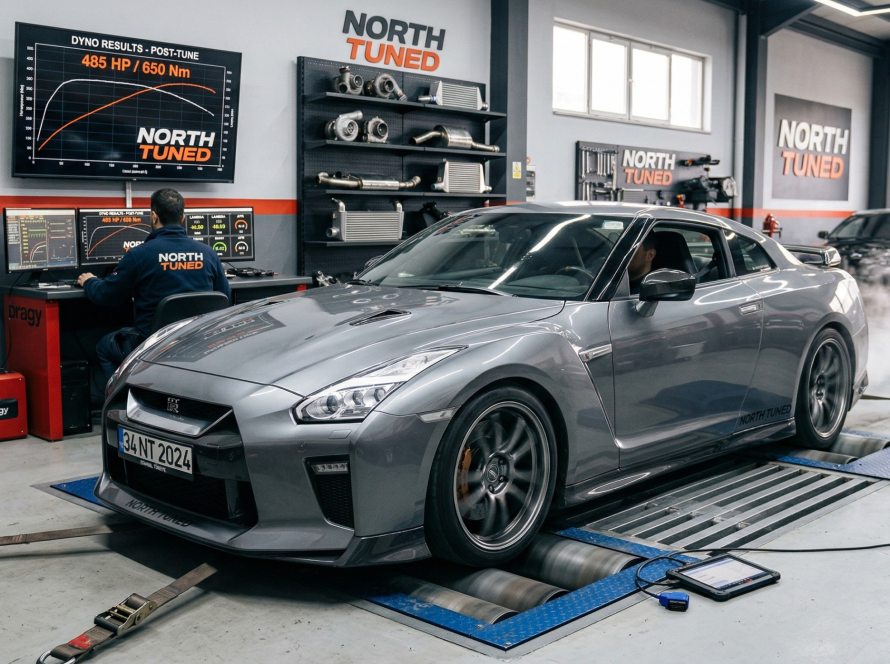
Vehicle Assessment: The current condition of the vehicle (including a dyno test and diagnostic scan) is thoroughly inspected to ensure the engine is in good health before any changes are made.

Software Installation: The optimized file matching your vehicle’s ECU is flashed onto the system.

Testing and Review: The vehicle is tested on the road or dyno to verify the air-fuel ratio, check engine parameters, and ensure that all sensors are operating correctly.

5. Common Mistakes to Avoid
Unrealistic Power Expectations: Pushing the engine far beyond its mechanical limits can lead to mechanical failures and costly repairs in the long run.

Generic and Cheap Tunes: Every vehicle engine code is unique; avoid generic “one-size-fits-all” or cheap off-the-shelf software.

Ignoring Hardware Upgrades: Trying to extract high performance without upgrading supporting hardware, such as brakes or cooling systems, can compromise vehicle safety.

read more