
If you are looking to build a true power monster on Australian streets or tracks, “Stage 1” and “Stage 2” are merely the appetizers. Stage 3 is where the rules of the game truly change. This level involves turbo upgrades, fuel system overhauls, and internal engine reinforcements, turning a standard daily driver into a “supercar killer.”
At North Tuned, we have selected the best platforms for Stage 3 tuning, keeping in mind Australia’s unique climate conditions and fuel quality.
What is Stage 3?
Stage 3 is the phase where we go beyond just software (ECU remapping) and push the physical limits of the hardware. It typically includes:
Upgraded Hybrid or Big Turbo kits.
High-pressure fuel pumps (HPFP) and larger injectors.
Advanced intercoolers and cooling systems.
Transmission (TCU) tuning and clutch upgrades.
Top Stage 3 Candidates in the Australian Market
1. Volkswagen Golf R (Mk7 / Mk7.5 / Mk8)
VAG group vehicles are the gold standard for Stage 3 tuning. The EA888 engine block can easily reach 500+ hp with just a turbo swap and a precision North Tuned map.
Why? Massive aftermarket support and the 4Motion AWD system that puts the power down effectively.
2. BMW M3/M4 (S55 & S58 Engines)
Bavarian engineering takes on a whole new identity at Stage 3. The new S58 engine, in particular, is so robust that pushing past the 700hp mark with “bolt-on” turbo kits is becoming a common sight at Australian drag strips.
3. Nissan Patrol (Y61 & Y62) – Australia’s Heavyweight
Australia is synonymous with off-roading. Adding a supercharger or a twin-turbo setup to the Y62’s V8 transforms this massive SUV into a desert-conquering rocket.
4. Audi RS3 (DAZA / DNWA)
The legendary 5-cylinder engine is a masterpiece. A Stage 3 RS3 is perhaps the most efficient way to achieve 0-100 km/h times in the 2-second range. With a TTE or Garrett turbo upgrade, the sound and speed are unmatched.
Why Choose North Tuned?
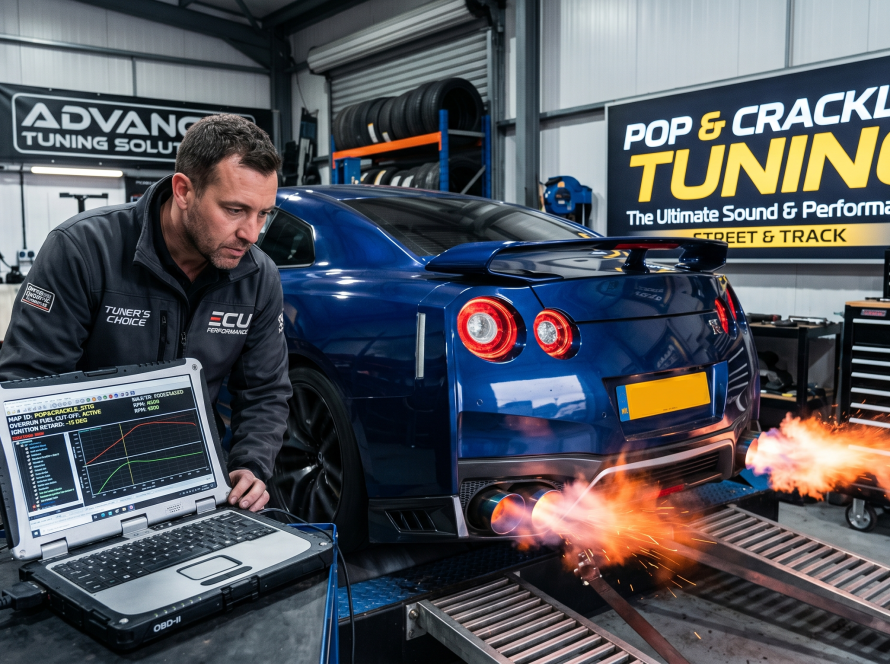
Stage 3 tuning leaves no room for error. An incorrect air-fuel ratio or excessive boost can lead to catastrophic engine failure. At North Tuned, we specialize in Custom Dyno Tuning tailored to your specific hardware, ensuring that your quest for more power doesn’t compromise reliability.
Your car is capable of much more than what the factory settings allow. Manufacturers often “detune” engines to account for global variables like low-grade fuel or extreme environmental conditions. If you are a driving enthusiast, these restrictions are holding you back.
Here are the top 5 signs it’s time to visit North Tuned for a professional remap:
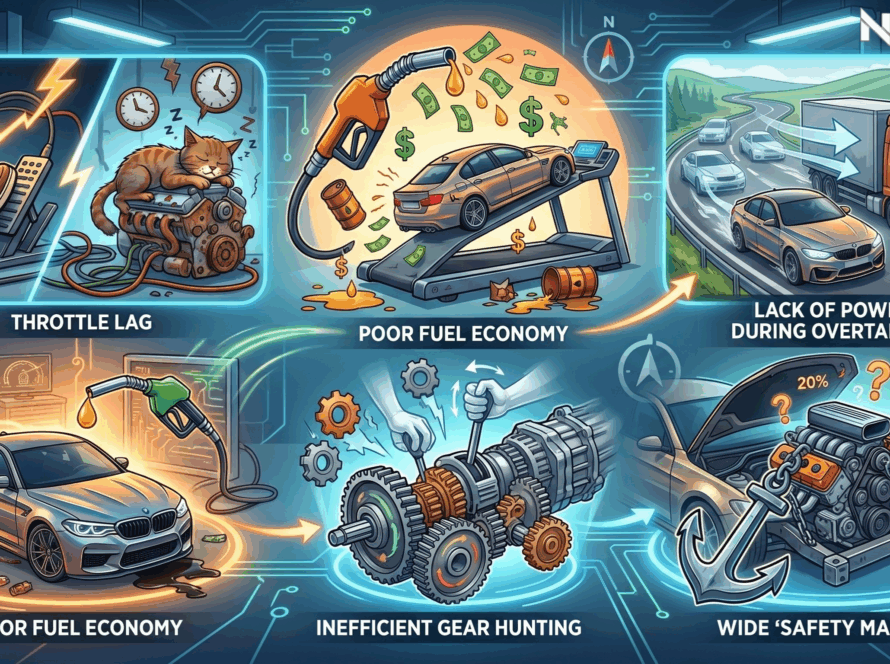
1. Significant Throttle Lag
Does your car feel “disconnected” when you hit the accelerator? This delay is often due to restrictive factory throttle mapping. A professional ECU remap sharpens the communication between your foot and the engine, providing instant power delivery.
2. Poor Fuel Economy Relative to Output
A performance tune isn’t just about speed; it’s about efficiency. By optimizing the air-fuel ratio and increasing low-end torque, the engine works less to maintain cruising speeds. If you’re visiting the gas station more often than you’d like, a specialized tune can actually improve your MPG.
3. Lack of Power During Overtaking
Overtaking requires a burst of confidence. If you find yourself hesitating because the car lacks that “punch” in the mid-range RPM, you are missing out on essential torque. Tuning expands the power band, making highway merges and overtaking maneuvers safer and more exhilarating.
4. Inefficient Gear Hunting
If you drive an automatic or dual-clutch vehicle, you might notice the car “hunts” for gears or stays in a high gear for too long during an incline. A North Tuned performance map harmonizes the engine’s output with the gearbox logic, ensuring you are always in the optimal power range.
5. The “Safety Margin” Is Too Wide
Standard cars are built for the “average” driver. If you maintain your vehicle well and use high-quality fuel, you don’t need the massive safety buffers set by the factory. Unleashing that dormant 20-30% of horsepower and torque is the most cost-effective way to transform your driving experience without mechanical modifications.
Why Choose North Tuned?
At North Tuned, we don’t just “plug and play.” We provide custom-tailored software solutions that respect your engine’s longevity while maximizing its output. Whether you are looking for a Stage 1 remap, DPF/EGR solutions, or Eco-Tuning, our expert team ensures your vehicle performs at its peak.
Australia has a massive and incredibly diverse car culture. From touring the rugged Outback in heavy-duty turbo-diesel 4x4s to carving up mountain roads in nimble European hot hatches, Aussie drivers demand a lot from their vehicles. One of the most effective ways to unlock your vehicle’s true potential is through ECU tuning.But as you dive into the aftermarket world, you are bound to encounter a lot of jargon. Tuners constantly talk about “stages,” which can be confusing if you are new to the scene. What exactly does it mean when a shop says your car is ready for a “Stage 2” package?Let’s break down exactly what ECU tuning is and explore everything you need to know about Stage 1, 2, and 3 modifications in the Australian context.What is ECU Tuning?Modern vehicles are essentially computers on wheels. The Engine Control Unit (ECU) is your car’s brain. It constantly monitors and controls crucial engine parameters, including how much fuel is injected, ignition timing, and turbocharger boost pressure.Manufacturers often restrict these settings straight from the factory. They do this to ensure the car can survive on poor-quality fuel in different countries, withstand extreme climates, and comfortably pass stringent global emission standards.ECU tuning, often referred to as “remapping,” involves accessing the software inside the ECU and altering it to optimize these parameters. By safely adjusting the fuel-air mixture, timing, and boost pressure, tuners can unlock the hidden horsepower and torque that the manufacturer deliberately left on the table. In Australia, where we have access to high-quality 98 RON premium unleaded and reliable diesel, remapping is an incredibly effective and safe modification.Stage 1 Tuning: The Software Sweet SpotStage 1 tuning is by far the most common, cost-effective, and accessible modification. It is specifically designed to work perfectly with a completely stock vehicle. There are no mechanical parts to replace; it is a purely digital upgrade.The Process: A professional tuner reads your factory ECU data and writes a new, optimized software file to it.The Benefits: You will experience a noticeable increase in both horsepower and torque across the entire rev range. For modern turbocharged petrol cars, this translates to faster acceleration and sharper, more responsive throttle feel. For turbo-diesel 4x4s like the Toyota Hilux or Ford Ranger, a Stage 1 tune drastically improves towing capacity, eliminates sluggishness, and can even improve highway fuel economy.Hardware Required: None. The factory air intake, exhaust system, and intercooler are perfectly capable of handling the increased output of a Stage 1 tune.Who it is for: The everyday driver who wants a bit more punch for safely overtaking on the highway, or a more capable rig for towing a caravan, all without sacrificing daily reliability.Stage 2 Tuning: Letting the Engine BreatheStage 2 is where software meets hardware. To push the engine further safely, you need to improve its ability to inhale dense, cold air and quickly exhale hot exhaust gases.The Process: A custom ECU remap is paired with specific, bolt-on mechanical modifications.Hardware Required: Typically, a Stage 2 package requires a high-flow cold air intake, an upgraded intercooler (to keep intake temperatures down under higher boost), and a less restrictive exhaust system. For petrol cars, this usually means installing a larger downpipe with a high-flow catalytic converter.The Benefits: This yields a massive step up in power delivery and a much more aggressive sound. The engine revs much more freely, turbo lag is significantly reduced, and the vehicle will pull much harder at higher speeds.Who it is for: The weekend enthusiast who wants serious, aggressive performance, a sportier exhaust note, and is willing to invest in quality hardware upgrades.Stage 3 Tuning: The Big BuildStage 3 is not for the faint of heart. This level of tuning moves entirely away from factory components. You are now replacing major engine parts to chase maximum horsepower.The Process: Extensive mechanical modifications are followed by a highly customized dyno tune. Off-the-shelf software files no longer work; the ECU must be meticulously calibrated specifically to the brand new hardware.Hardware Required: Upgraded, larger turbochargers (or superchargers), high-capacity fuel injectors, upgraded high-pressure fuel pumps, and often forged engine internals (like stronger pistons and connecting rods) to handle the extreme stress. Upgraded clutches or heavy-duty automatic transmission builds are also mandatory so the driveline doesn’t snap under the massive torque.The Benefits: Supercar-level performance. Stage 3 completely transforms a standard street car into a track-ready weapon.Who it is for: Hardcore motorsport enthusiasts, drag racers, and owners with a serious budget who want the absolute fastest version of their vehicle possible.Tuning Stages at a GlanceStageFocusHardware RequiredCost LevelPower GainStage 1Software OptimizationNone (Stock vehicle)LowModerateStage 2Breathing & ExhaustIntake, Intercooler, DownpipeMediumHighStage 3Major Component UpgradeBig Turbo, Injectors, Forged InternalsVery HighExtremeImportant Considerations for Australian DriversModifying your vehicle down under comes with specific legal and financial responsibilities that you must be aware of:Australian Design Rules (ADR): All modifications must comply with ADRs and your specific state-level regulations. Removing emissions equipment, such as Catalytic Converters or Diesel Particulate Filters (DPFs), for a street-driven car is illegal in Australia and carries severe fines. Always ensure your Stage 2 or 3 hardware uses compliant, high-flow emission controls.Insurance Disclosure: You are legally required to inform your auto insurance provider about any performance modifications. Failure to disclose an ECU tune or an aftermarket exhaust can completely void your policy in the event of an accident.Manufacturer Warranty: An ECU tune will almost certainly void your manufacturer’s new-car powertrain warranty. If your engine fails, the dealership will check the ECU flash counter. However, many reputable tuning shops in Australia offer their own driveline warranties for peace of mind.Ultimately, whether you are looking for a slight bump in towing torque or building a track monster, ECU tuning is the most rewarding modification you can make. Always do your research and choose a reputable, experienced tuner who understands the specific needs of your engine and the Australian driving environment.