
Tag: car tuning guide

Comprehensive Guide to Stage 1 Tuning for Petrol vs. Diesel Engines

Comprehensive Guide to Stage 1 Tuning for Petrol vs. Diesel Engines

For automotive enthusiasts, Stage 1 Tuning is the most effective way to personalize a vehicle and surpass factory limitations. While many drivers wonder why manufacturers don’t deliver maximum power from the factory, the truth is that Stage 1 is an engineering optimization. In this guide, North Tuned explores the reactions, advantages, and technical nuances of petrol and diesel engines in the most profound detail.

What is Stage 1? Behind the Software
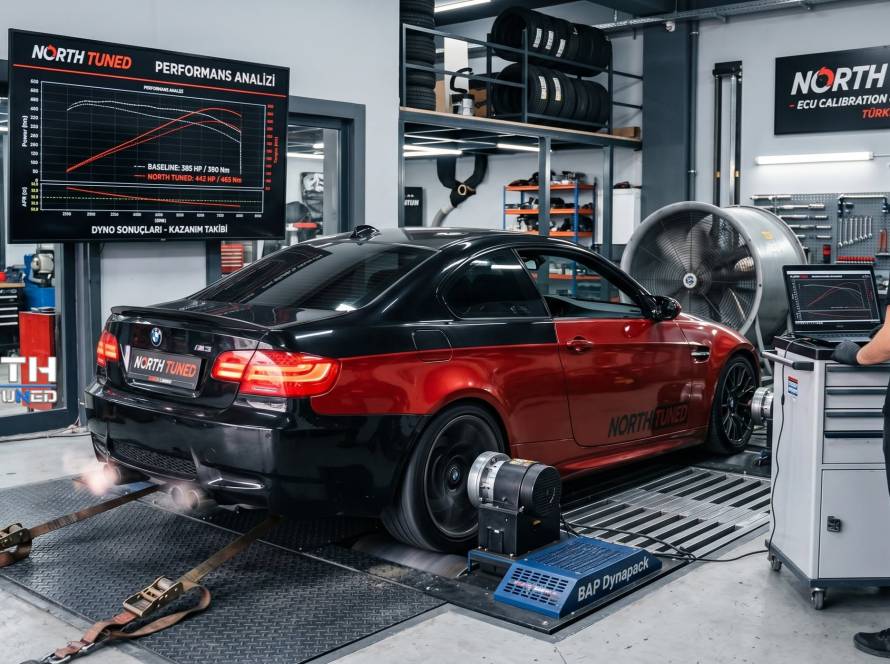
Stage 1 involves recalibrating the software on the ECU (Engine Control Unit) without changing any physical mechanical parts. Car manufacturers release vehicles with “de-tuned” engines (often at 70-80% efficiency) to ensure they can handle poor fuel quality, extreme climates, and different tax brackets worldwide. Stage 1 awakens this “sleeping” potential within safe margins.

1. Stage 1 in Diesel Engines: The Power of Torque
Diesel engines, with their high compression ratios and turbochargers, are the most “eager” units to respond to software tuning. Even though they are often built for economy, their character changes completely after Stage 1.

Torque Increase and Driving Dynamics
In diesels, the biggest gain is in Torque (Nm) rather than just horsepower. The massive pulling power felt at low RPMs (1500-2500 RPM) after tuning carries the car’s mid-range acceleration to an incredible level. Especially for heavy SUVs or loaded commercial vehicles, Stage 1 is almost a necessity for driving comfort.

Economy and Efficiency
One of the primary motivations for tuning a diesel is fuel economy. The increased torque allows the engine to maintain the same speed at lower RPMs. This translates back to you as up to 10% fuel savings in urban stop-and-go traffic and long-distance cruising.

Critical Components: DPF and EGR
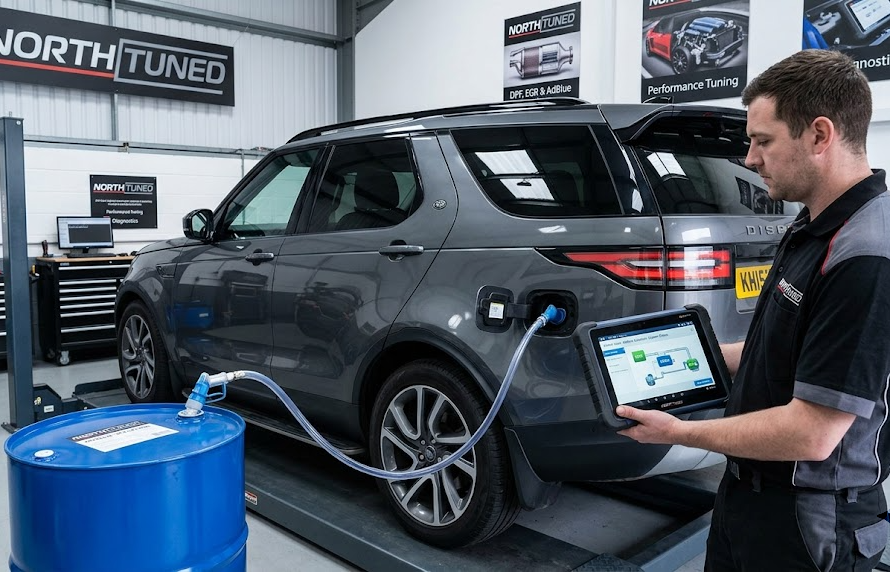
Diesel owners often worry about emission systems. North Tuned’s professional software optimizes combustion efficiency without disrupting the working principles of the Diesel Particulate Filter (DPF) and EGR systems. Unlike low-quality “smoky” tunes, your engine performs a cleaner combustion process.

2. Stage 1 in Petrol Engines: The Joy of the Rev Range
A Stage 1 application in petrol engines offers two different scenarios depending on the intake type (Turbocharged or Naturally Aspirated).

Turbocharged Petrol Units (TSI, T-GDI, EcoBoost)
Modern turbo-petrol engines receive a magical touch with Stage 1. Precise recalibration of turbo boost and ignition timing provides a much more dramatic increase in horsepower compared to diesels. Power is delivered continuously until the end of the rev range, meaning the car continues to accelerate even at high speeds.

Naturally Aspirated Engines: Throttle Response and Fluidity
While HP gains in non-turbo engines usually stay within the 5-10% range, the real impact of Stage 1 is felt in throttle sensitivity. The sluggish factory response is eliminated; the car becomes more vivid and “fluid,” responding instantly to the driver’s commands.

Technical Comparison: Gains and Characteristics
Power Character: While power in diesels comes with a sudden torque burst, turbo petrol vehicles exhibit a more linear and aggressive acceleration curve.

Mechanical Tolerance: Diesel engine blocks are generally more robust, making them resistant to high torque. In petrol vehicles, the health of the cooling and ignition systems is the priority.

Longevity: In both engine types, Stage 1 does not shorten engine life as long as regular maintenance is performed. In fact, a more efficient engine provides the same performance with less effort.

Why Choose North Tuned?
While many places use “generic maps,” at North Tuned, we treat every vehicle as an engineering project.

Individual Calibration: We analyze your vehicle’s current mileage, turbo condition, and injector health to write a software specifically for you.

Transmission Harmony: While increasing engine power, we meticulously protect transmission torque limits, especially in automatic (DSG, ZF, EDC) vehicles.

Safe Limits: Our priority is not “maximum power” but “safest performance.” We never push your engine’s mechanical boundaries.

Stage 1 Tuning is a technical art that reveals the soul of your vehicle. Are you ready to discover your car’s true potential with North Tuned?

read more
ECU Remapping vs. Plug-and-Play Chips: Which One is Right for You?

ECU Remapping vs. Plug-and-Play Chips: Which One is Right for You?

For performance enthusiasts, there are two primary ways to unlock a vehicle’s hidden potential: ECU Remapping and Plug-and-Play (PnP) Tuning Modules. At North Tuned, we’ve analyzed both methods to help you make the best decision for your ride.

1. What is ECU Remapping?

ECU Remapping involves rewriting the original software within your vehicle’s Electronic Control Unit. By removing factory-set restrictions, parameters such as fuel mapping, ignition timing, and boost pressure are fully optimized.

Pros:

Total Control: Every parameter of the engine can be adjusted.

Linear Power Delivery: Power is spread across the entire RPM range for a smoother feel.

Custom Tailored: If you have hardware upgrades (like an intake or exhaust), the map can be customized specifically for those parts.

Speed Limiter Removal: Most remaps allow for the removal of factory speed governors.

Cons:
Reversibility: Requires a professional to flash the car back to stock.

Warranty Concerns: Deep diagnostic scans at dealerships can often detect software changes.

2. What are Plug-and-Play Chips?
PnP modules are external boxes that sit between the engine sensors and the ECU. They function by intercepting and modifying sensor signals to “trick” the ECU into producing more power.

Pros:
Easy Installation: Usually a “DIY” job that takes about 15-20 minutes.

Instant Removal: You can unplug the device before a service visit or when selling the car, leaving no physical trace.

Transferability: Can often be moved to another vehicle with the same engine type.

Cons:
Limited Scope: It can only manipulate a few signals (mostly boost and fuel pressure) rather than managing the entire engine logic.

Less Refined: May not feel as smooth as a remap and can sometimes cause “jerky” power delivery in lower gears.

Feature,ECU Remapping,Plug-and-Play Chip
Power Gains,Maximum & Optimized,Moderate / Standardized
Driveability,Smooth & Natural,Aggressive but can be inconsistent
Installation,Professional Required,DIY Possible
Traceability,Software-visible,Physically removable

North Tuned Verdict
If you are looking for the most efficient, healthy, and bespoke performance increase, ECU Remapping is the superior choice. However, if your car is under a strict warranty or you want a temporary boost that you can remove at any time, a high-quality Plug-and-Play Module is a solid alternative.

read more
Engine Tuning Guide

Engine Tuning Guide

The performance of the car you’ve driven fondly for years might start to feel inadequate over time; you may want to recapture that day-one excitement and push the limits a little further. We will provide you with practical information in this article about essential engine modifications that will boost your vehicle’s power and take your driving dynamics to a whole new level.

Sports Air Filter Upgrade

Sports Air Filter Upgrade

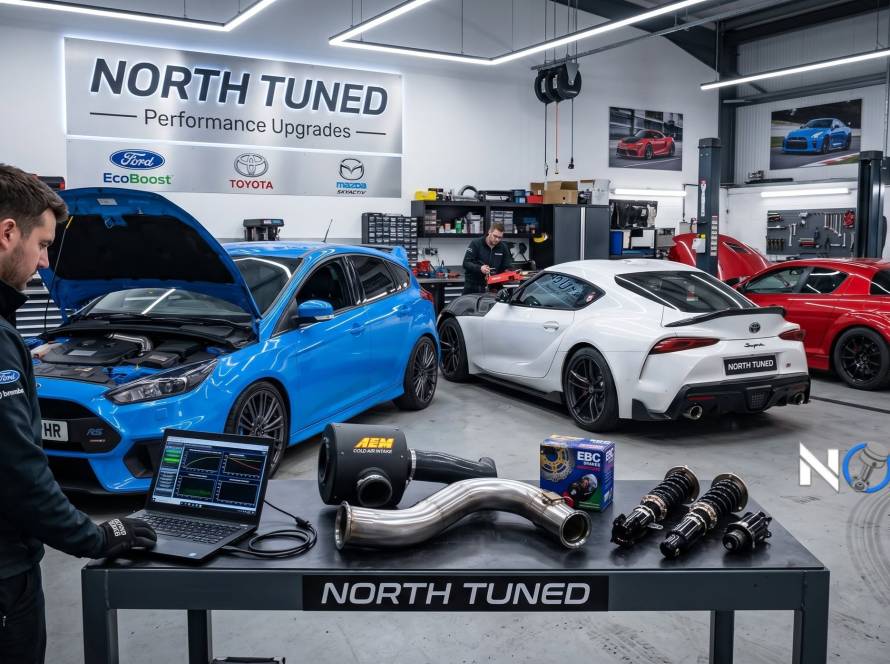
Car manufacturers often use restrictive air intake systems to keep mass-production costs down and comply with standard noise regulations. Aftermarket sports air filters, commonly known as Cold Air Intake Kits, eliminate this factory-induced shortness of breath. These performance-oriented kits maximize the air mass entering the engine per unit of time by channeling much cooler, denser oxygen directly into the combustion chambers. More oxygen means a more powerful combustion. As a result, your vehicle not only gains a noticeable performance boost with improved throttle response but also unleashes that deep, sporty intake growl we all love when you step on the gas.

Sports Exhaust Upgrades

Sports Exhaust Upgrades

Whether you own a naturally aspirated or a forced induction (turbocharged or supercharged) engine, this upgrade is a must-have for car enthusiasts looking to personalize their vehicle and push its performance limits. It stands out as one of the most popular modification steps taken to help the exhaust gases flow more freely, boost horsepower, and achieve that highly desired, deep, and aggressive sound.

Chip Tuning (ECU Remapping)
Thanks to giant leaps in automotive technology, modern vehicles roll out of the factory equipped with highly durable, efficient, and high-potential engines. This robust and tolerant foundation makes today’s cars perfect canvases for performance upgrades. Chip Tuning unlocks your vehicle’s hidden true capacity by professionally optimizing the original parameters and maps within the Engine Control Unit (ECU). Through this fine-tuning of the engine’s brain, it is possible to achieve significant increases in horsepower and torque without having to replace a single mechanical part. For a deeper dive into the technical details and specific gains for your car, feel free to check out our comprehensive Chip Tuning guide.

Turbocharger Upgrades

Turbocharger Upgrades

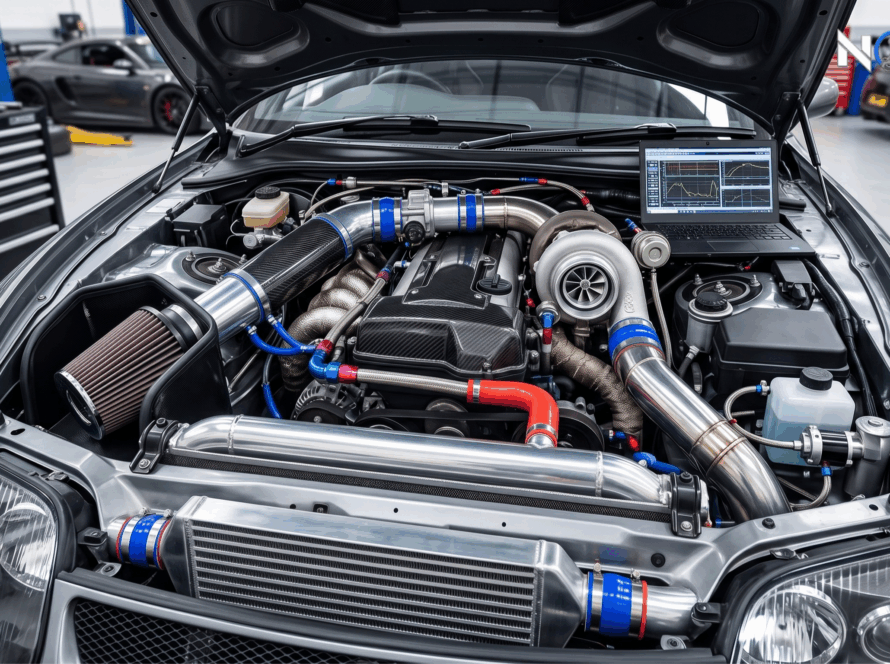
Strict modern emission standards and high taxation policies have driven automakers to extract maximum power from smaller displacement engines. The undisputed hero of this “downsizing” trend is the turbocharger. A turbo’s primary job is to force pressurized air into the combustion chambers, cramming a significantly higher volume of oxygen into the cylinders. The rule of thumb is simple: A larger turbo equates to massive power potential. However, blindly choosing an oversized turbo without considering the vehicle’s dynamics leads to “uncontrolled power” and frustrating turbo lag at lower RPMs.

To safely harness and regulate this increased boost pressure without stressing the engine, upgrades to the wastegate system are absolutely essential. Furthermore, when upgrading a turbo, the intercooler capacity must be re-evaluated and upsized if necessary to combat the extra heat generated by the higher boost levels. The intercooler’s job is to cool down the compressed air, thereby increasing its density; cooler, denser air results in a more violent, efficient combustion and yields extra horsepower. But there is a delicate balance to strike here: Installing an unnecessarily large intercooler will cause pressure drops in the charge piping, severely dulling your throttle response and ruining the sporty driving experience.

Methanol Injection (Water-Meth) Systems

Methanol Injection (Water-Meth) Systems

Commonly utilized in high-performance builds, this system safely pushes an engine’s performance boundaries. Methyl alcohol, one of the most effective alcohols for internal combustion engines, is integrated into the system by being sprayed directly into the air intake tract.

Key Advantages:

Thermal Management: It rapidly lowers combustion chamber temperatures, preventing engine overheating.

High Octane Support: Due to its high octane rating, it allows tuners to aggressively adjust ignition timing during the remapping process.

Combustion Quality: It maximizes fuel burn quality, resulting in a cleaner and more efficient explosion.

Performance Gains: The synergy of these effects delivers significant increases in both horsepower and torque.

Potential Disadvantages:

High Consumption Rate: Since it evaporates much more easily than gasoline, the consumption rate is notably higher.

Corrosion Risk: By its chemical nature, prolonged use can lead to wear and corrosion within fuel system components.

Cold Start Issues: When used as a primary fuel source, it fails to atomize correctly in cold weather, making the engine difficult to start.

read more
Understanding Pop & Crackles Tuning: Pros, Cons, and What to Expect

Understanding Pop & Crackles Tuning: Pros, Cons, and What to Expect

Here is a comprehensive, 1500-word blog post on Pop & Crackle tuning.

Understanding Pop & Crackles Tuning: Pros, Cons, and What to Expect
There is a distinct sound that instantly turns the heads of automotive enthusiasts everywhere: the aggressive, machine-gun-like pop, crackle, and bang echoing from the exhaust of a car decelerating or downshifting. Once exclusively the soundtrack of world-class rally cars tearing through forest stages, this acoustic phenomenon has now made its way onto city streets and local car meets.

Today, getting your car to spit fire and sound like a thunderstorm is as easy as plugging a laptop into its diagnostic port. This software modification is widely known as a Pop and Crackle tune (also referred to as burble tune, crackle map, overrun, or pops and bangs).

But what exactly is happening inside your engine to create this dramatic sound? Is it safe for your daily driver, or is it a fast track to a blown engine? If you are considering adding some auditory aggression to your vehicle, here is the ultimate guide to understanding pop and crackle tuning, how it works, the pros and cons, and exactly what you should expect.

What is a Pop & Crackle Tune?
To understand the modification, we must first look at its origins. The “pops and bangs” sound was not originally created for show; it was a highly functional byproduct of motorsport engineering, specifically in turbocharged rally cars.

In rally racing, drivers constantly alternate between slamming the gas pedal and hitting the brakes. When a driver lifts their foot off the throttle, a standard turbocharger loses its exhaust gas pressure, causing the turbine to slow down. When the driver gets back on the gas, there is a noticeable delay—known as turbo lag—before the turbo spools back up and delivers power.

To combat this, engineers developed Anti-Lag Systems (ALS). By intentionally dumping unburned fuel into the scorching hot exhaust manifold and igniting it, the resulting explosion keeps the turbo spinning rapidly even when the driver’s foot is off the gas. The byproduct of these violent exhaust explosions? A symphony of loud cracks, bangs, and flames.

Modern street-car “crackle tunes” aim to mimic the sound of these motorsport anti-lag systems. However, unlike true rally anti-lag, aftermarket burble tunes on street cars are almost entirely aesthetic. They are designed to sound aggressive and sporty, providing little to no actual performance benefit.

How Does It Work? The Science Behind the Sound
When you take your car to a professional tuner for a pop and crackle map, they are modifying the software within your car’s Engine Control Unit (ECU). Specifically, they are altering two critical parameters during the engine’s overrun phase (the moment you lift your foot off the accelerator and the engine decelerates).

1. Fuel Overrun (Keeping the Injectors Open)
In a normal, factory-tuned car, the ECU cuts off the fuel supply to the engine the millisecond you lift your foot off the gas pedal. This saves fuel and ensures a smooth deceleration. A crackle tune changes this. The tuner programs the ECU to keep the fuel injectors spraying a small amount of fuel into the combustion chamber even when the throttle is closed.

2. Ignition Retardation (Delaying the Spark)
Spraying extra fuel is only half the equation; when that fuel burns is what creates the sound. Normally, the spark plug ignites the air/fuel mixture while the piston is at the very top of its stroke (combustion phase).

During a crackle tune, the ECU is programmed to significantly delay (retard) the ignition timing. The spark plug fires much later than usual, just as the exhaust valves are opening. As a result, the unburned fuel is pushed out of the engine cylinder and directly into the glowing-hot exhaust manifold and exhaust pipes.

When this raw fuel meets the extreme heat of the exhaust system, it instantly detonates. Because the explosion happens inside the metal exhaust pipes rather than the enclosed engine cylinder, you hear it as a loud “POP!” or a series of crackles. If the exhaust system is straight enough, you might even see flames shoot out of the tailpipes.

The Pros: Why Do People Get Crackle Tunes?
While purists may argue about the functionality, there are several reasons why this modification has become incredibly popular in the car tuning community.

Auditory Satisfaction: For many car enthusiasts, the sound of a vehicle is just as important as its horsepower. A crackle tune transforms a quiet, mundane commute into a visceral, race-car-like experience. The sensory feedback of hearing the exhaust pop every time you downshift is undeniably fun.

The Head-Turning Factor: Let’s be honest—it draws attention. Whether you are at a car show, cruising through a tunnel, or rolling down the street, an aggressive exhaust note turns heads and gives the car a menacing, high-performance presence.

Customization: A good tuner can tailor the sound exactly to your liking. You can opt for a soft, subtle “burble” (similar to factory setups on modern BMW M cars or Mercedes AMGs) or go all out with aggressive, gunshot-like bangs.

OEM Integration: Modern tuning allows for switchable maps. This means you can have the pops and bangs linked to your car’s “Sport” mode, keeping the car perfectly quiet and civilized when you switch back to “Normal” or “Comfort” mode.

The Cons and Risks: The Mechanical Reality Check
It is crucial to understand that explosions happening inside your exhaust system take a massive mechanical toll on your vehicle. If you are considering this tune, you must be aware of the potential damage.

1. Destruction of Catalytic Converters
This is the single biggest risk. Catalytic converters are honeycomb-like filters inside your exhaust designed to clean emissions. They are made of fragile, expensive precious metals. The violent explosions from a crackle tune will rapidly melt, shatter, and blow out the inside of a standard catalytic converter. Replacing a catalytic converter can cost thousands of dollars. You should never run an aggressive crackle tune on a car with a factory catalytic converter.

2. Damage to Oxygen (O2) Sensors
Your exhaust system houses sensitive oxygen sensors that help the ECU monitor the air/fuel mixture. The extreme heat and concussive shockwaves of exhaust explosions can easily damage or completely destroy these sensors, leading to check engine lights and poor engine performance.

3. Exhaust Valve and Turbo Wear
While less common with mild burble tunes, extreme “gunshot” maps can cause premature wear on the engine’s exhaust valves due to the localized heat. Furthermore, if your car is turbocharged, the explosions happening in the exhaust manifold send violent shockwaves directly against the delicate turbine blades of the turbo. Over time, this stress can lead to premature turbo failure.

4. Poor Fuel Economy
Because the ECU is constantly dumping unburned fuel into the exhaust every time you lift off the throttle, your fuel efficiency will drop noticeably. If you are doing a lot of city driving with frequent accelerating and decelerating, expect a higher fuel bill.

5. Social and Legal Consequences
Loud exhaust noises are subject to strict noise ordinances in many cities and countries. Extremely loud “gunshot” tunes can easily result in police attention, hefty fines, or your vehicle being impounded. Additionally, constantly banging through residential neighborhoods is a quick way to frustrate your neighbors.

Hardware Requirements: What You Need Before You Tune
Because of the severe mechanical risks mentioned above, a professional tuning shop will rarely apply a pop and crackle map to a completely stock vehicle. Before you get the software flash, you need the right hardware to support it.

Decatted or High-Flow Exhaust (Downpipe): You must remove the factory catalytic converter. This usually involves installing a “catless downpipe” or a high-flow aftermarket catalytic converter that can withstand higher temperatures and pressure. (Note: Removing catalytic converters may be illegal for street use in many jurisdictions depending on emissions laws).

Upgraded Exhaust System: Stock mufflers and resonators can be blown apart by aggressive exhaust explosions. Upgrading to a high-quality stainless steel or titanium exhaust system is highly recommended to handle the acoustic pressure.

What to Expect During and After the Tune
If you decide to proceed, always choose a reputable, custom tuner rather than a cheap, off-the-shelf “flash file.” A good tuner will ask you how aggressive you want the map.

The Sweet Spot: The most recommended approach is a mild “OEM+” burble. This mimics the sophisticated, low-pitched gurgle found on high-end sports cars. It sounds fantastic, adds character, and when paired with a catless downpipe, causes minimal wear to your engine components.

The Extremes: If you ask for the “flame-spitting gunshot” map, expect a significantly shorter lifespan for your exhaust components, turbocharger, and oxygen sensors.

After the tune, you will instantly notice the difference. Acceleration will remain mostly the same (unless paired with a power-boosting Stage 1 or Stage 2 tune), but the moment you lift your foot off the pedal at higher RPMs, the fireworks will begin.

Conclusion
Pop and crackle tuning is the ultimate way to add character, aggression, and auditory drama to your vehicle. It connects the driver to the machine, making every downshift feel like a stage in the World Rally Championship. However, this aesthetic upgrade comes with very real mechanical consequences.

If you are going to do it, do it right. Invest in the proper exhaust hardware, delete or upgrade your catalytic converter, and work with a reputable tuner who can provide a switchable map. That way, you can enjoy the thunder on the weekends, and keep the peace in your neighborhood on Monday morning.

read more