
Tag: performance exhaust systems
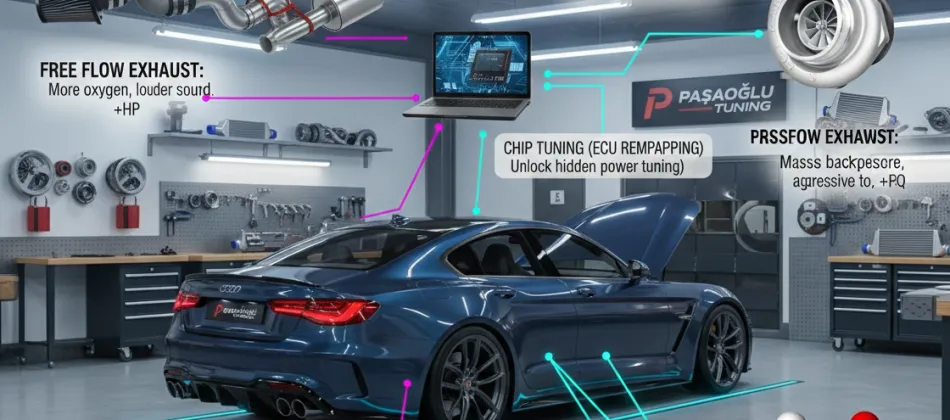
Engine Tuning Guide
The performance of the car you’ve driven fondly for years might start to feel inadequate over time; you may want to recapture that day-one excitement and push the limits a little further. We will provide you with practical information in this article about essential engine modifications that will boost your vehicle’s power and take your driving dynamics to a whole new level.
Sports Air Filter Upgrade
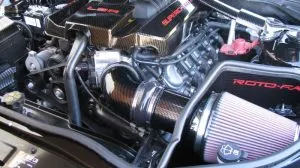
Car manufacturers often use restrictive air intake systems to keep mass-production costs down and comply with standard noise regulations. Aftermarket sports air filters, commonly known as Cold Air Intake Kits, eliminate this factory-induced shortness of breath. These performance-oriented kits maximize the air mass entering the engine per unit of time by channeling much cooler, denser oxygen directly into the combustion chambers. More oxygen means a more powerful combustion. As a result, your vehicle not only gains a noticeable performance boost with improved throttle response but also unleashes that deep, sporty intake growl we all love when you step on the gas.
Sports Exhaust Upgrades
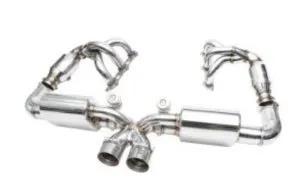
Whether you own a naturally aspirated or a forced induction (turbocharged or supercharged) engine, this upgrade is a must-have for car enthusiasts looking to personalize their vehicle and push its performance limits. It stands out as one of the most popular modification steps taken to help the exhaust gases flow more freely, boost horsepower, and achieve that highly desired, deep, and aggressive sound.
Chip Tuning (ECU Remapping)
Thanks to giant leaps in automotive technology, modern vehicles roll out of the factory equipped with highly durable, efficient, and high-potential engines. This robust and tolerant foundation makes today’s cars perfect canvases for performance upgrades. Chip Tuning unlocks your vehicle’s hidden true capacity by professionally optimizing the original parameters and maps within the Engine Control Unit (ECU). Through this fine-tuning of the engine’s brain, it is possible to achieve significant increases in horsepower and torque without having to replace a single mechanical part. For a deeper dive into the technical details and specific gains for your car, feel free to check out our comprehensive Chip Tuning guide.
Turbocharger Upgrades
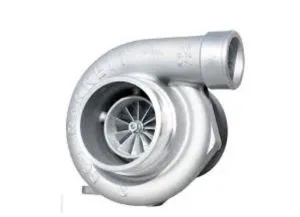
Strict modern emission standards and high taxation policies have driven automakers to extract maximum power from smaller displacement engines. The undisputed hero of this “downsizing” trend is the turbocharger. A turbo’s primary job is to force pressurized air into the combustion chambers, cramming a significantly higher volume of oxygen into the cylinders. The rule of thumb is simple: A larger turbo equates to massive power potential. However, blindly choosing an oversized turbo without considering the vehicle’s dynamics leads to “uncontrolled power” and frustrating turbo lag at lower RPMs.
To safely harness and regulate this increased boost pressure without stressing the engine, upgrades to the wastegate system are absolutely essential. Furthermore, when upgrading a turbo, the intercooler capacity must be re-evaluated and upsized if necessary to combat the extra heat generated by the higher boost levels. The intercooler’s job is to cool down the compressed air, thereby increasing its density; cooler, denser air results in a more violent, efficient combustion and yields extra horsepower. But there is a delicate balance to strike here: Installing an unnecessarily large intercooler will cause pressure drops in the charge piping, severely dulling your throttle response and ruining the sporty driving experience.
Methanol Injection (Water-Meth) Systems
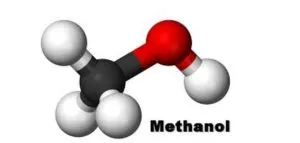
Commonly utilized in high-performance builds, this system safely pushes an engine’s performance boundaries. Methyl alcohol, one of the most effective alcohols for internal combustion engines, is integrated into the system by being sprayed directly into the air intake tract.
Key Advantages:
Thermal Management: It rapidly lowers combustion chamber temperatures, preventing engine overheating.
High Octane Support: Due to its high octane rating, it allows tuners to aggressively adjust ignition timing during the remapping process.
Combustion Quality: It maximizes fuel burn quality, resulting in a cleaner and more efficient explosion.
Performance Gains: The synergy of these effects delivers significant increases in both horsepower and torque.
Potential Disadvantages:
High Consumption Rate: Since it evaporates much more easily than gasoline, the consumption rate is notably higher.
Corrosion Risk: By its chemical nature, prolonged use can lead to wear and corrosion within fuel system components.
Cold Start Issues: When used as a primary fuel source, it fails to atomize correctly in cold weather, making the engine difficult to start.