
Tag: vehicle tuning

The Most Common ECU Tune Upgrades and Their Benefits

The Most Common ECU Tune Upgrades and Their Benefits

In today’s automotive world, ECU (Engine Control Unit) software upgrades have become an essential method for performance enthusiasts and drivers looking to maximize their vehicle’s potential. “North Tuned” offers a superior driving experience in both daily driving and track conditions by optimizing your engine’s mapping. Today, modern vehicles are manufactured from the factory with much more restrictive parameters, taking into account costs, emission standards, and the lower quality fuels found in different parts of the world. North Tuned steps in at this exact point to safely unlock the true potential of your engine.

In this article, we will take a detailed look at the most common ECU tune upgrades, their effects on engine mechanics and driving dynamics, and the advantages you can achieve with North Tuned.

What is an ECU (Engine Control Unit) Tune and How Does It Work?
The ECU is considered the brain of your car. It processes data from sensors that control the engine’s air-fuel mixture, ignition timing, and turbo boost pressure. Factory vehicles are generally programmed conservatively, taking into account the varying fuel quality and climate conditions around the world. This situation prevents the engine from running at full capacity and leaves a safety margin.

North Tuned unlocks this potential, allowing you to achieve the highest efficiency and power while remaining within the mechanical limits of your vehicle. This process involves reading the original software of the vehicle, making the necessary optimizations by expert engineers, and writing the new map back to the car.

The Most Common ECU Tune Upgrades
Depending on your vehicle type, existing hardware, and performance expectations, the main ECU software applications you can choose from include:

Stage 1 Tuning: A purely software-based update that requires no hardware modifications. It provides a noticeable increase in power and torque while optimizing fuel consumption. It is the most preferred and safest method for daily driving.

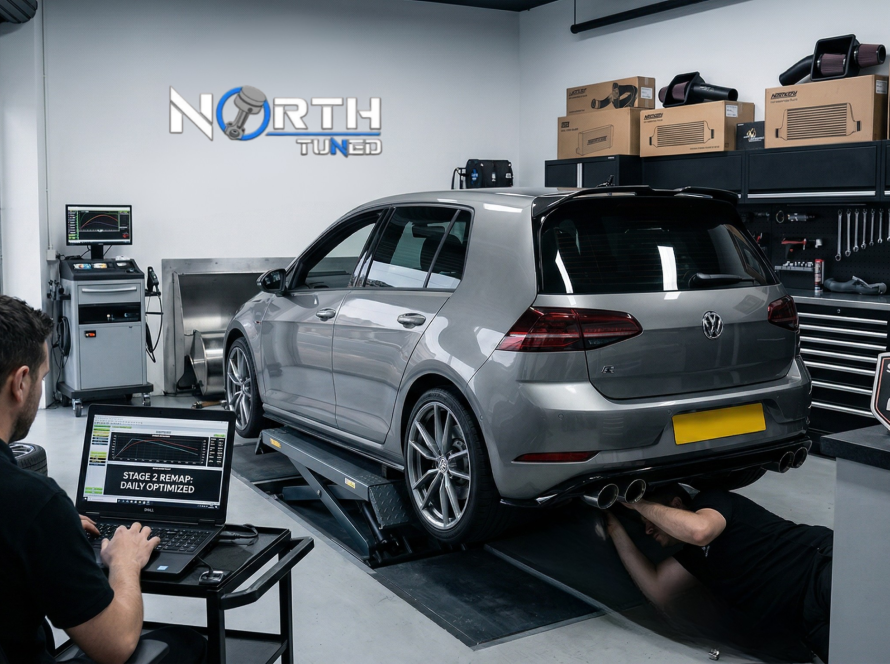
Stage 2 Tuning: Usually applied alongside hardware upgrades such as a freer-flowing exhaust system (downpipe) and a higher-airflow air filter. Compared to Stage 1, the amount of air and fuel entering the engine is increased more aggressively, unlocking the true potential of the vehicle.

Pop & Bang (Overrun) Tuning: A software update aimed purely at sound and aesthetics, causing slight popping or burbling sounds from the exhaust when you lift your foot off the accelerator.

Eco-Tuning: Software focused on minimizing fuel consumption, especially popular among commercial vehicle owners and long-distance drivers. The torque curve is improved at lower engine speeds, requiring less throttle input.

V-Max Delete (Speed Limiter Removal): The process of deactivating the electronically restricted maximum speed limit of the vehicle. This is especially ideal for track use or in regions like the German Autobahn where high-speed travel is permitted.

Key Benefits of ECU Upgrades
A professional North Tuned procedure applied to your vehicle offers several advantages that completely transform your driving dynamics:

Increased Horsepower and Torque: Engine response time is shortened, and mid-range acceleration becomes much more responsive. Your vehicle’s power at lower revs increases noticeably when overtaking or driving uphill.

Better Fuel Economy: Thanks to the optimized combustion process in Stage 1 and eco-tuning software, fuel savings can be achieved during steady-state cruising.

Smoother Throttle Response: Factory throttle lag is reduced, creating a seamless connection between the driver and the car. The vehicle accelerates without hesitation when you press the pedal.

Safe and Customizable Settings: North Tuned is calibrated to work entirely within safe parameters without exceeding the durability limits of your engine. Vital parameters like engine temperature and oil pressure are closely monitored.

Conclusion
An ECU update performed with North Tuned takes your car’s performance beyond factory standards without compromising your daily driving comfort. If you want to discover the true power of your engine and maximize your driving pleasure, you can give your vehicle a new identity with a professional North Tuned application.

read more
How AdBlue Systems Affect Engine Performance and Tuning Options

How AdBlue Systems Affect Engine Performance and Tuning Options

Used to meet strict emission standards in modern diesel vehicles, AdBlue (SCR – Selective Catalytic Reduction) systems are known for their environmental benefits. However, the impact of these systems on engine performance, fuel efficiency, and vehicle tuning is a subject frequently debated by performance enthusiasts and fleet operators.

In this article, we will examine how AdBlue systems work, their effects on engine performance, and the tuning solutions available in the industry.

What is an AdBlue System and How Does It Work?
AdBlue is a liquid composed of 32.5% urea and 67.5% demineralized water. It is injected into the exhaust system to convert harmful nitrogen oxides (NOx) into harmless nitrogen and water vapor. The system primarily consists of the following components:

AdBlue Tank & Heater: Stores the fluid and prevents it from freezing in cold conditions. Built-in heaters ensure the system functions optimally in winter climates.

Dosing Module (Pump): Regulates the injection of the fluid into the exhaust stream at the correct pressure and volume.

SCR Catalyst: The catalytic filter where the chemical reaction takes place, converting the toxic gases into harmless emissions.

Sensors: Monitors NOx levels and exhaust temperatures, continuously feeding data back to the vehicle’s control systems.

Effects of AdBlue Systems on Engine Performance
AdBlue systems do not directly control horsepower or torque generation; however, they affect the engine’s operational characteristics indirectly in the following ways:

1. Limp Mode and Power Limitations
When a malfunction occurs (e.g., pump failure, low fluid level, or freezing), the engine control unit (ECU) may limit engine power or prevent the vehicle from starting, severely restricting performance when you need it most.

2. Interaction with DPF and EGR
The AdBlue system works in tandem with the exhaust gas recirculation (EGR) and diesel particulate filter (DPF). Clogging in these related components or prolonged regeneration cycles can cause backpressure, leading to a noticeable drop in power. This is especially true for vehicles used predominantly for short, urban journeys.

3. Weight and Power Consumption
The added weight of the AdBlue tank and the electrical power required to operate the heaters create a minimal but measurable effect on overall efficiency. Additionally, the constant need for fluid refills introduces an ongoing maintenance cost.

North Tuned Solutions: AdBlue Removal and Tuning Options
At North Tuned, we provide professional tuning and optimization solutions for diesel vehicles, including SCR/AdBlue management. The primary methods utilized in the industry include:

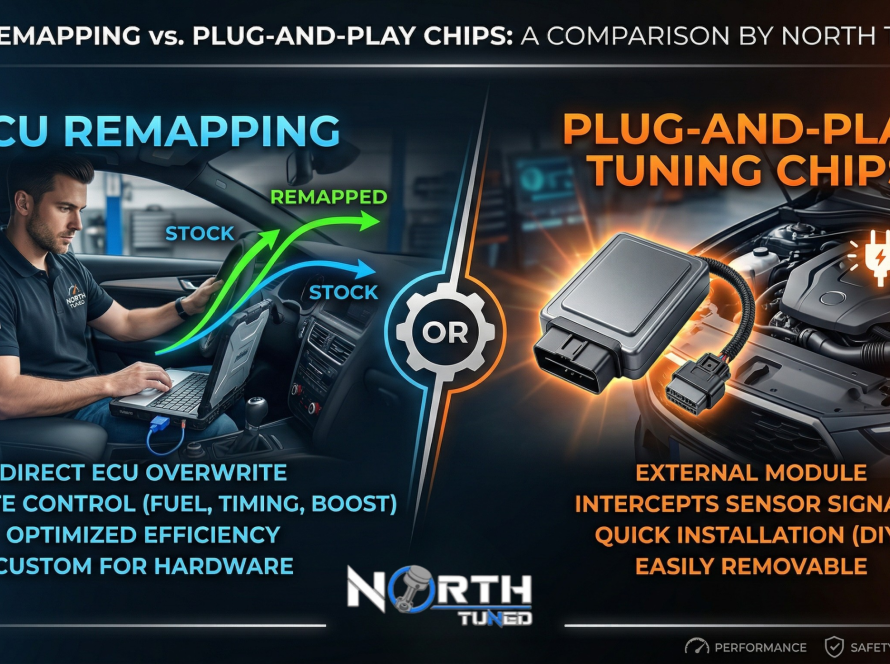
ECU Remapping (Software Delete): The most reliable method. The vehicle’s ECU is reprogrammed to disable the AdBlue system, permanently clearing error codes and limp modes.

Hardware Emulators: Devices that send continuous “all-clear” signals to the ECU. However, North Tuned always recommends direct software solutions for long-term reliability and safety.

Stage 1 & Stage 2 Remapping: Disabling the restrictive emission components allows the engine to breathe freely, maximizing torque and power output when combined with performance tuning.

Conclusion
While AdBlue systems are vital for emissions compliance, they can lead to high maintenance costs and performance restrictions over time. With North Tuned expertise, removing or optimizing the AdBlue system not only restores your engine’s true potential but also eliminates recurring warning lights and fluid expenses.

read more
What is DPF & DPF Calibration with North Tuned

What is DPF & DPF Calibration with North Tuned

Diesel Particulate Filters (DPF) are designed to capture hazardous exhaust particulates to meet emission standards. However, under standard operating conditions, these filters can become clogged and require professional tuning, calibration, or deletion to ensure optimal engine performance.

How the DPF Works
The DPF works in tandem with the catalytic converter:

Catalytic Converter: Uses chemical reactions to neutralize unburned gases and reduce harmful emissions.

DPF: Traps heavy metals and soot particles that cannot be eliminated by the catalytic converter alone.

When the filter reaches capacity, it cleans itself through either passive or active regeneration, where exhaust temperatures are elevated (up to 600 degrees Celsius) to burn off trapped soot. Over time, these regeneration cycles can fail to clear the blockage completely, requiring DPF calibration and removal to restore engine efficiency.

DPF Calibration and Removal Process
North Tuned ensures that the DPF calibration process is carried out safely and effectively:

Custom ECU Remapping: The engine control unit is accessed via OBD2 or on the bench to read and adjust the original factory software.

Sensor Deactivation: Temperature and pressure sensors are calibrated to bypass DPF monitoring.

Physical Removal: The filter housing is removed, hollowed out, and reinstalled using a specialized exhaust pipe.

Benefits of DPF Calibration
Extended Injector Life: Prevents the wear and tear caused by the high fuel pressures required during regeneration.

Increased Fuel Economy: Stops the vehicle from continuously consuming extra fuel during the regeneration process.

Enhanced Engine Durability: Protects surrounding engine components from exposure to extreme heat.

Prevention of Oil Dilution: Eliminates the risk of unburned diesel fuel leaking into the engine oil pan.

read more
North Tuned: Understanding and Maintaining the EGR Valve for Peak Engine Performance

North Tuned: Understanding and Maintaining the EGR Valve for Peak Engine Performance

North Tuned: Understanding and Maintaining the EGR Valve for Peak Engine Performance
In the world of automotive tuning and performance, optimizing engine efficiency and managing emissions are equally important. As part of our commitment to keeping your engine running at its absolute best, we at North Tuned frequently address components that impact air-fuel ratios and combustion temperatures. One of the most critical yet often misunderstood components is the EGR (Exhaust Gas Recirculation) valve.

What is an EGR Valve?
The EGR valve is an electromechanical valve used in modern vehicles, typically located in the engine bay. Its primary function is to recirculate a small, metered amount of exhaust gases back into the engine’s intake stream.

By mixing exhaust gas with the fresh air entering the engine, the EGR system lowers the concentration of oxygen in the combustion chamber. This reduction in oxygen directly lowers combustion temperatures, which in turn helps reduce harmful NOx (nitrogen oxide) emissions.

How Does the EGR Valve Work?
The EGR valve uses an exhaust gas recycling system to lower the formation of nitrogen oxides during high-load and high-temperature operating conditions. The majority of the exhaust gas is expelled through the exhaust, but a small portion is fed back into the intake to slow down the reaction rate and reduce the peak temperatures inside the cylinders.

However, there are specific moments when the EGR valve remains closed. For instance, when the engine is operating under full load, the cylinders need a maximum amount of fresh oxygen to produce power, so the recirculation process is temporarily deactivated.

Common Symptoms of a Failing or Clogged EGR Valve
Over time, the EGR valve is exposed to hot, sooty exhaust gases, leading to the buildup of carbon deposits and grime. When the valve becomes clogged or sticks in an open or closed position, your engine’s performance can drop drastically.

Signs that your EGR valve is dirty or malfunctioning include:

Unstable Idle: The engine may fail to run smoothly or vibrate heavily while idling.

Decreased Fuel Efficiency: You may notice a gradual increase in fuel consumption.

Exhaust Smoke: Black smoke may be emitted from the exhaust under acceleration.

Loss of Power: Reduced throttle response and an overall loss of engine pulling power.

Engine Hesitation: The vehicle may stumble or hesitate when you let off the gas pedal.

When these issues are detected, they should be addressed immediately to prevent further engine wear.

EGR Valve Cleaning and Replacement
At North Tuned, we emphasize that improper handling, removal, or cleaning of the EGR valve can lead to severe engine malfunctions. If you suspect an issue with your EGR system, it is always recommended to seek professional assistance.

1. Inspection and Preparation
The EGR valve is typically located between the air filter and the exhaust manifold. To access and service the valve, technicians must create adequate workspace by carefully detaching the necessary surrounding components.

2. Cleaning Process
If the valve is still in good structural condition, it can be cleaned. Technicians use a specialized brush to remove the heavy carbon buildup. Afterward, the valve is submerged in specialized cleaning fluids to dissolve stubborn contaminants. Finally, the valve is dried and sprayed with a degreaser to ensure no residue remains.

3. Replacement
If the valve is excessively worn or damaged beyond cleaning, it must be replaced with a new unit. Once replaced or cleaned, the valve is carefully re-installed, and the intake system is reassembled to restore full factory and performance specifications.

read more
Why ECU Tuning Is Safer Than You Think

Why ECU Tuning Is Safer Than You Think

In today’s automotive world, performance and efficiency enthusiasts consider engine modifications a major point of interest. Among these modifications, ECU (Engine Control Unit) tuning stands out as the most prominent. However, some vehicle owners hesitate, worrying that pushing the engine’s limits might carry long-term risks.

In reality, thanks to professional engineering approaches offered by North Tuned, ECU software and calibration provide an unexpected standard of safety. In this article, we will detail why ECU tuning is a highly secure, predictable, and advantageous process, contrary to popular belief.

1. The Meaning of Factory Safety Tolerances
The software on a vehicle when it leaves the factory is designed to handle the worst conditions and the most careless user profiles worldwide. Manufacturers leave a large “safety margin” by taking into account low-quality fuel, extreme climate conditions, and users who neglect periodic maintenance.

Utilizing Safety Margins: North Tuned stays well within the mechanical and thermal limits of the engine rather than blindly pushing the limits.

Unlocking Potential: The process releases the engine’s hidden potential while ensuring the durability levels designed by factory engineers are never compromised.

2. Personalized Calibration Over Generic Software
Cheap and generic maps available on the market apply the same changes to every vehicle, which can conflict with the engine’s physical structure. The main differentiator of North Tuned is the application of custom-tailored calibrations:

Hardware and Software Harmony: Parameters are rewritten by taking the vehicle’s mileage, current condition, and existing components into account.

Exhaust and Transmission Integration: During Stage 1 or Stage 2 upgrades, transmission torque limiters and exhaust system temperature thresholds are maintained, preventing excessive strain.

3. Proper Air-Fuel Ratios and Thermal Management
One of the biggest concerns is whether tuning will cause the engine to overheat. A proper tuning process does not overheat the engine; instead, it increases thermal efficiency:

Preventing Lean Mixture Danger: Amateur interventions can cause the engine to run in a lean mixture (too much air, not enough fuel), which raises combustion chamber temperatures.

Optimal Boost and Fuel Maps: North Tuned keeps the Air-Fuel Ratio (AFR) at ideal levels, keeping in-cylinder temperatures well under control.

4. Reversibility and Complete Control
One of the most reassuring features of ECU tuning is its flexible and non-destructive nature:

Preserving the Original Backup: The vehicle’s original factory software is safely backed up. You can revert your vehicle back to its stock factory settings at any time without leaving any traces.

Data Reading and Diagnostics: During the process, sensor data is analyzed in detail, ensuring the system can fall back to its original protective modes if necessary.

What North Tuned Offers
Providing the power and flexibility your vehicle deserves without risking engine health, North Tuned offers the following key services:

Stage 1 & Stage 2 Upgrades: High torque and power output without putting engine and transmission safety at risk.

Emission Management: Healthy software solutions to prevent issues with systems like DPF, EGR, and AdBlue.

Fuel Efficiency: Optimization in fuel consumption, particularly during long highway drives and city commutes, through precise calibration.

Explore your vehicle’s true potential safely with North Tuned.

read more
Coilover Systems

Coilover Systems

Modern automotive manufacturers design factory suspension and spring systems to prioritize standard driving comfort, leaving very little room for customization based on individual driving dynamics. This is exactly where high-performance coilover systems come into play.

With North Tuned coilover systems, you can dramatically improve your vehicle’s handling performance while achieving a more aggressive, lowered exterior stance.

Coilover systems allow you to adjust ride height, fine-tune shock absorber stiffness, and modify your vehicle’s camber angles to suit your driving style.

Note: While height adjustment is a standard feature, stiffness and rebound adjustability are typically found in more advanced systems, particularly those developed for track use.

How Coilover Systems Work
Stiffness / Rebound Adjustment: Advanced coilovers feature specialized valving systems located in the top mount, allowing drivers to regulate internal fluid or gas pressure to adjust damping characteristics—stiffening or softening the suspension based on road conditions.

Ride Height Adjustment: Threaded bodies equipped with an adjustable perch allow you to raise or lower the vehicle, optimizing its center of gravity and aerodynamic profile.

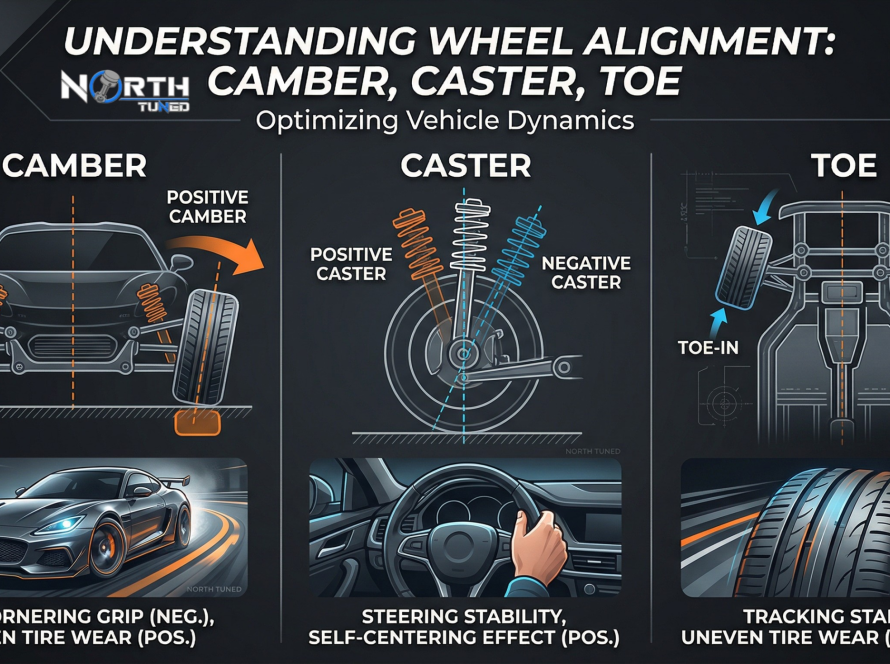
Camber Tuning: Coilovers allow for precise camber adjustments, ensuring maximum tire contact patch during high-speed cornering.

Transform Your Driving Dynamics with North Tuned
Upgrading to a high-quality coilover system is one of the most effective ways to bridge the gap between street driving and track-level handling. At North Tuned, we engineer performance upgrades that give you full control over your vehicle’s responsiveness and stance. Contact our engineering team today to find the perfect coilover setup for your specific vehicle and driving goals.

read more